
The 30°C Myth Exploded
When the thermometer hits a scorching 30°C, you might expect a bit of relief from your seasonal allergies. A common belief is that extreme heat completely shuts down pollen production, allowing hayfever sufferers to step outside symptom-free.
There is a grain of truth behind this idea, but the reality is far more complicated. If you are still sneezing, rubbing your eyes, and feeling congested during a 30°C heatwave, you are not imagining it.
The 28°C Threshold: What Science Says
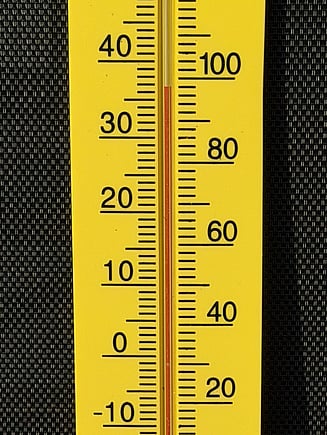
Research suggests that many grass species produce and release pollen most actively between around 18°C and 28°C. During prolonged periods of extreme heat, some plants can experience heat stress, which may reduce the production of new pollen.
However, this does not mean pollen suddenly disappears from the air.
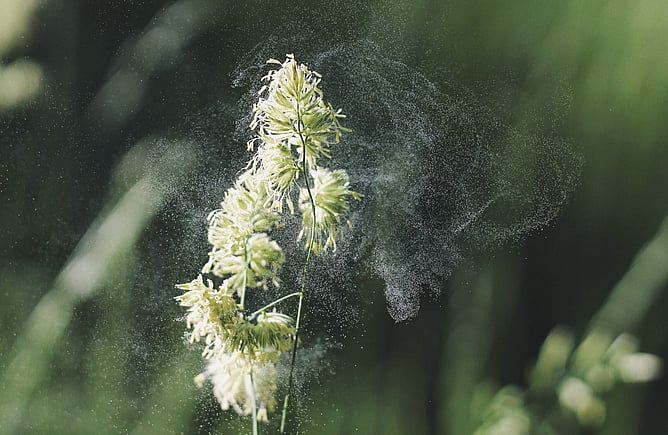
Pollen that has already been released can remain airborne for hours or even days, depending on weather conditions. That means symptoms can persist, even when temperatures soar.
1. The Evening Pollen Drop
During hot weather, rising air currents can lift pollen higher into the atmosphere. As temperatures cool later in the day, some of this pollen may drift back towards ground level.
For many hayfever sufferers, this can mean symptoms continue into the evening or even worsen after spending time outdoors.
2. Urban Heat Islands
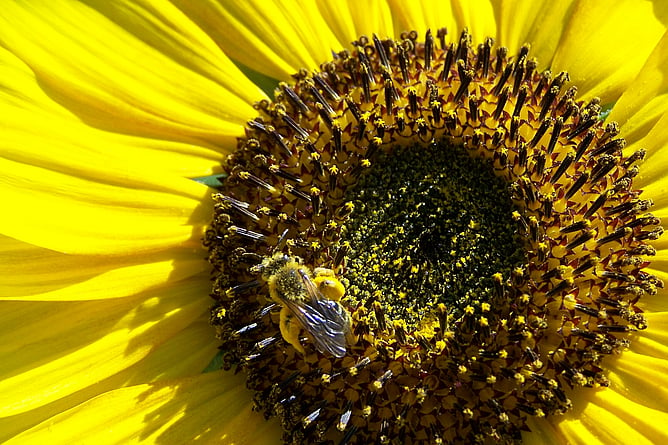
If you live in a town or city, concrete, brick, and tarmac act like giant thermal sponges. They absorb heat throughout the day and slowly release it at night.
This creates localised air movements that can keep pollen circulating for longer, potentially extending exposure well into the evening.
3. The “Pollen Bomb” Effect
High temperatures are often followed by humid conditions or summer thunderstorms. Under these circumstances, pollen grains can absorb moisture, swell and rupture into much smaller particles.
This phenomenon has been linked to episodes of “thunderstorm asthma”. Instead of encountering one larger pollen grain, you may be exposed to thousands of microscopic allergenic particles that can penetrate deeper into the airways.
Exploring a Natural Alternative
If standard remedies leave you feeling groggy or simply are not providing enough relief, you are not alone. More people than ever are looking for drug-free approaches to help support their wellbeing during the hayfever season.
One of the most popular options is the Original Qu-Chi Hayfever Band.

Rather than relying on medication, the band uses the traditional principles of acupressure. It is worn on the arm at the elbow crease and applies gentle, continuous pressure to the Large Intestine 11 (LI-11) point, traditionally known as the “Qu-Chi” point.
In traditional Chinese medicine, LI-11 is commonly used for conditions involving the nose, throat, skin and respiratory system. Many users incorporate the Original Qu-Chi Hayfever Band into their seasonal wellness routine as a convenient, drug-free option that can be worn throughout the day and night.
The Original Qu-Chi Hayfever Band has also become an Amazon bestseller for the 12th year in 2026 and has been chosen by thousands of people as part of their approach to managing the hay fever season.
The Original Qu-Chi Hayfever Band was developed in 2008 by Acupuncturist Andrew Broch, and has since been adopted by thousands of users looking for a convenient, drug-free addition to their hay fever management routine.

Quick Tips for 30°C Weather
Keep windows closed in the evening: Closing windows during late afternoon and evening may help reduce pollen entering your home.
Shower before bed: Washing your hair and skin after spending time outdoors can help remove pollen particles before they transfer to your bedding.
Check the pollen forecast: Temperature alone does not tell the whole story. Local pollen forecasts can help you identify times when exposure may be lower.
The Bottom Line
So, is it ever too hot for hayfever?
Not necessarily.
While prolonged extreme heat may reduce the release of new pollen from some plants, pollen already present in the atmosphere can continue to trigger symptoms, particularly during warm evenings and after humid or stormy weather.
For many hay fever sufferers, having effective strategies in place remains just as important during a 30°C heatwave as it does on any other summer day.